
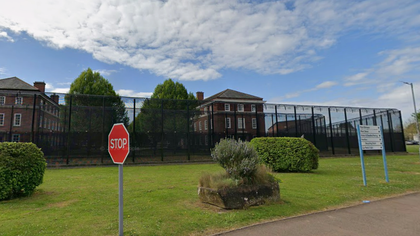
The Care Quality Commission (CQC) has rated Rampton high secure hospital run by Nottinghamshire Healthcare NHS Foundation Trust as requires improvement again following an inspection in April.
The Care Quality Commission (CQC) has rated Rampton high secure hospital run by Nottinghamshire Healthcare NHS Foundation Trust as requires improvement again following an inspection in April.
Rampton Hospital is a high secure mental health hospital which cares for people detained under the Mental Health Act.
CQC carried out this inspection of Nottinghamshire Healthcare’s high secure hospital service after whistleblowers and people using services raised concerns about their safety and staff wellbeing linked to low staffing levels. CQC had also become aware of occasions when people faced daytime confinement because of staffing shortages through its ongoing engagement with the trust.
Inspectors identified seven breaches of regulations relating to staffing, safe care and treatment, dignity and respect, person-centred care, premises and overall management. CQC asked the trust to submit an action plan setting out how it will address the concerns identified following the inspection, which the trust has since developed with a set of measurable actions agreed with CQC.
CQC has downgraded the rating for how responsive it is from good to requires improvement. How effective it is remains rated good, and how safe, caring and well-led it is remain rated requires improvement.
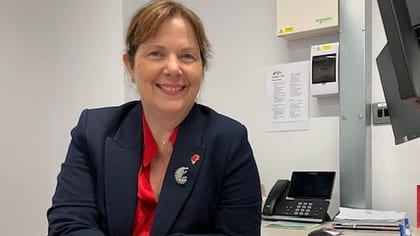
Victoria Green, CQC's deputy director of mental health in Nottinghamshire, said:“When we visited Rampton Hospital, we found staff shortages were affecting almost every part of people’s care, despite this being a long-standing concern. Leaders hadn’t got on top of it and it was disappointing the hospital hadn’t always learned from issues we’d raised before.
“We found leaders sometimes needed to move staff between wards at short notice, meaning some people were cared for by staff who didn’t know their needs well, and people told us this made them feel more anxious. We also found people missed planned activities and therapy sessions because staff who should have been running them were covering ward shifts instead, and some people said this had knocked their progress.
“We had concerns about the way the service restricted people’s choices, recorded these restrictions, and shared rules in this area with people. The hospital also wasn’t consistently meeting the needs of autistic people and people with a learning disability, including not adapting ward environments to their sensory needs.
“However, we saw staff who cared deeply about the people they support and some genuinely person-centred work, particularly in the women’s service. Leaders were open with us about the challenges they faced and had already made some improvements since our last visit.
“We’ve told the trust where it needs to improve and will continue to monitor the hospital closely to make sure people get safer, more responsive care.”
Inspectors found:
- The trust didn’t always learn from previous concerns, including from independent reviews of care for autistic people and people with a learning disability.
- Staff didn’t always follow medicines management processes consistently, increasing the risk of error.
- The hospital had one person wait more than 24 hours to get treatment for a fractured wrist because they couldn’t arrange secure transport quickly enough.
However:
- Leaders had introduced new approaches to reduce reliance on staff-intensive observation and support people’s recovery, though these were still in the early stages.
- Staff spoke with dedication and compassion about the people in their care, and the hospital’s reducing restrictive practice team had helped some people spend less time in long-term segregation.
The report will be published on CQC’s website in the coming days.
 Mansfield man saves dozens from the streets following council advice
 West Gate to host Mansfield's ChristmasFest
 Toy shop thief tracked and arrested in 33 minutes
 New housing estate for old quarry finally agreed after 10 years
 Two closure orders secured against Newark properties
 Tourism levy could be less than 5%
 Jail for predator who sexually abused child and filmed it
 Workers go on strike over pay